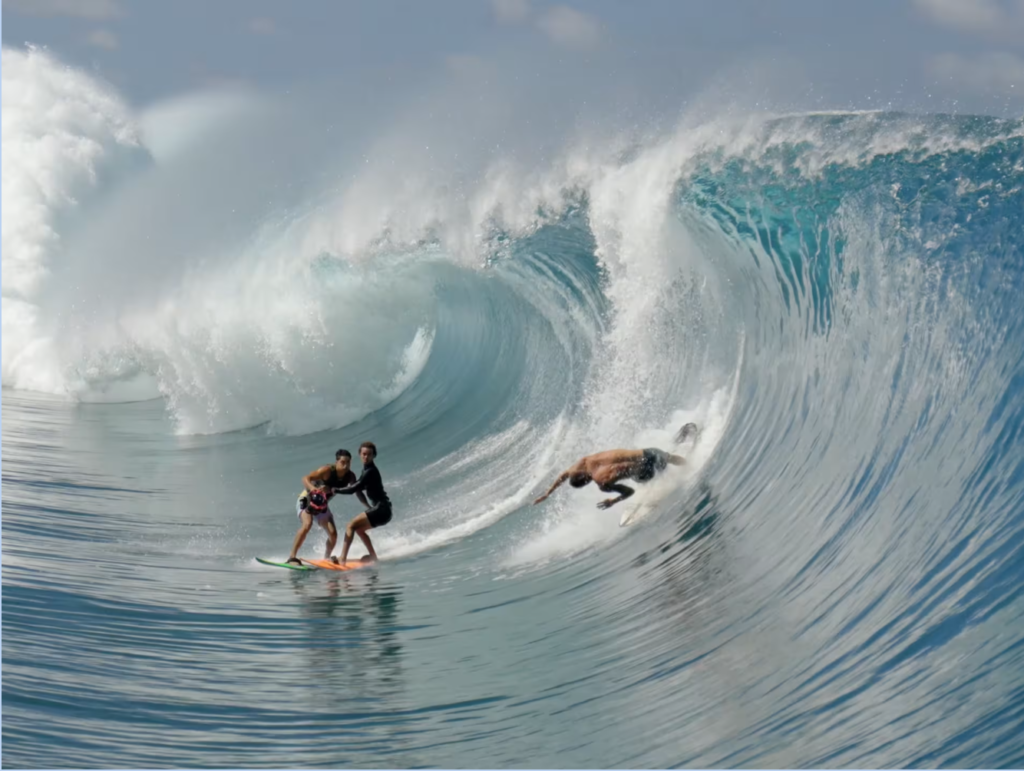
Endangered Tides: Surf Spots We Could Lose Forever — And The Battle To Save Them
Every wave is a delicate balance of nature that, once destroyed, can never be replanted. We go inside the global movement of surfers turned activists fighting to ensure our favorite breaks don't become mere memories.
Lost Tides: Why the World’s Most Iconic Surf Breaks Are Disappearing
Every wave is a delicate balance of nature that, once destroyed, can never be replanted. We go inside the global movement of surfers turned activists fighting to ensure our favorite breaks don’t become mere memories.
Jakob P
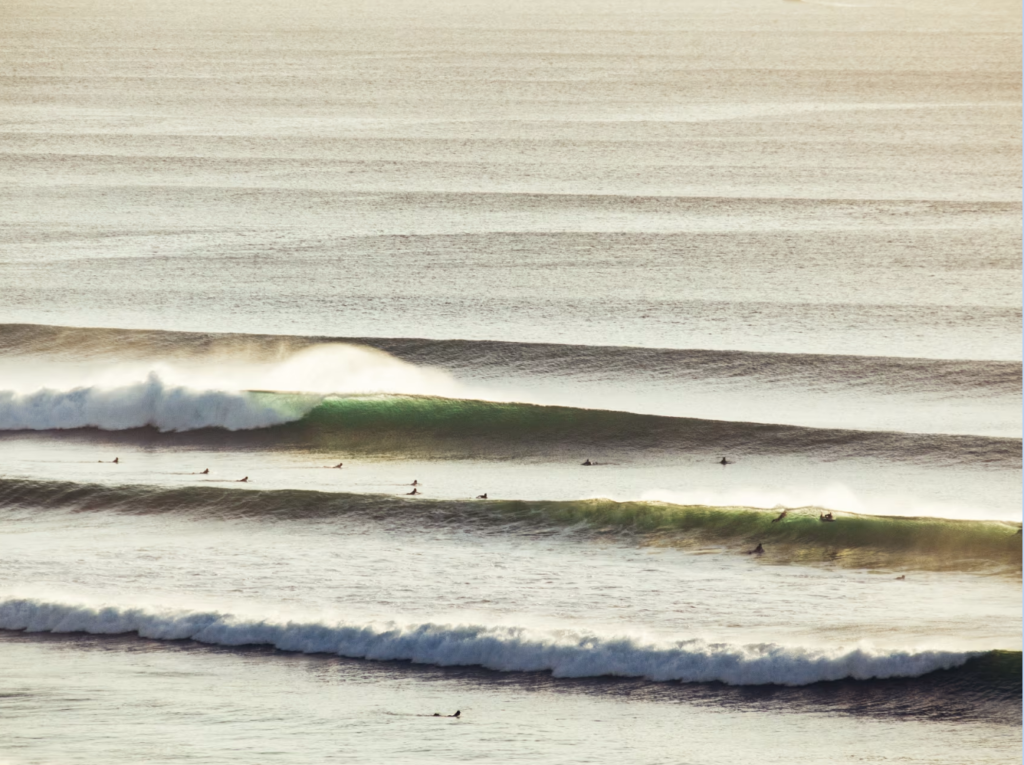
At any given moment, hundreds of surf spots across the globe are under critical threat. From the pristine reefs of Indonesia to the rugged cliffs of California, the very sanctuaries that define our culture are facing an existential crisis. Whether it’s due to aggressive coastal development, shifting bathymetry, or the slow march of climate change, the message is clear: the waves we ride today may not be here tomorrow.
The Forces of Destruction
A surf break is a delicate ecosystem, balanced on a knife-edge of sand, rock, and water. When humans intervene—building seawalls to protect real estate or expanding harbors for industry—the results are often irreversible.
“You can’t resurrect a lost wave,” experts warn. Unlike a forest that can be replanted, once the bathymetry of a seafloor is altered by a marina or a jetty, the mechanics of the wave are gone for good. We have already seen icons like Killer Dana and Mexico’s Petacalco vanish into the history books.
Global Hotspots Under Siege
The battle lines are currently drawn across several iconic coastlines:
- Uluwatu, Indonesia: The crown jewel of the Bukit Peninsula recently saw a $5 million concrete seawall project aimed at protecting the clifftop temple. Surfers fear the resulting “backwash” could destroy the world-class barrels below.
- Thorli, Iceland: A rare 300-meter gem on Iceland’s south coast faces harbor expansion. If the project proceeds, it could effectively mean the end of Icelandic surfing culture.
- Santa Cruz, California: Even protected “World Surfing Reserves” aren’t safe. Rising sea levels and shifting shorelines are forcing a difficult conversation about “managed retreat” versus “hard armoring”—the latter of which often kills the wave.
The Counter-Attack: World Surfing Reserves
It’s not all doom and gloom. Organizations like Save The Waves and the World Surfing Reserves initiative have officially protected 13 surf zones globally, with more in the pipeline. In Peru, the “Law of the Breakers” has become a global blueprint, legally protecting over 40 waves from any construction that might interfere with their path.
“Surfers are the first responders to coastal change,” says a spokesperson for the movement. “We are the ones who see the sand shifting and the water quality dropping before anyone else.”
Why it Matters
Saving a surf spot isn’t just about recreation. A recent study found that the ecosystems surrounding the world’s surf breaks—forests, mangroves, and reefs—absorb nearly 90 million metric tons of carbon dioxide. To save the surf is, quite literally, to help save the planet.
Final Thoughts
The waves are our heritage. As we look toward 2030, the race is on to protect 100 more waves before they are replaced by concrete and rebar. The next time you paddle out, take a look at the horizon—and remember that every wave is a gift we must fight to keep.
You can’t resurrect a lost wave