Baja Bound: How to Navigate Mexico’s Coastline Safely and Smartly
A comprehensive guide to crossing the border, avoiding the pitfalls, and scoring the waves of your life without compromising your safety.
Baja Bound: How to Navigate Mexico’s Coastline Safely and Smartly
Mexico remains the ultimate pilgrimage for surfers seeking world-class points and uncrowded barrels. However, the dream of a perfect Baja strike mission can quickly turn into a nightmare without proper planning. In light of recent safety concerns, navigating the “Land of the Right-Hand Pointbreak” now requires more than just a quiver of boards
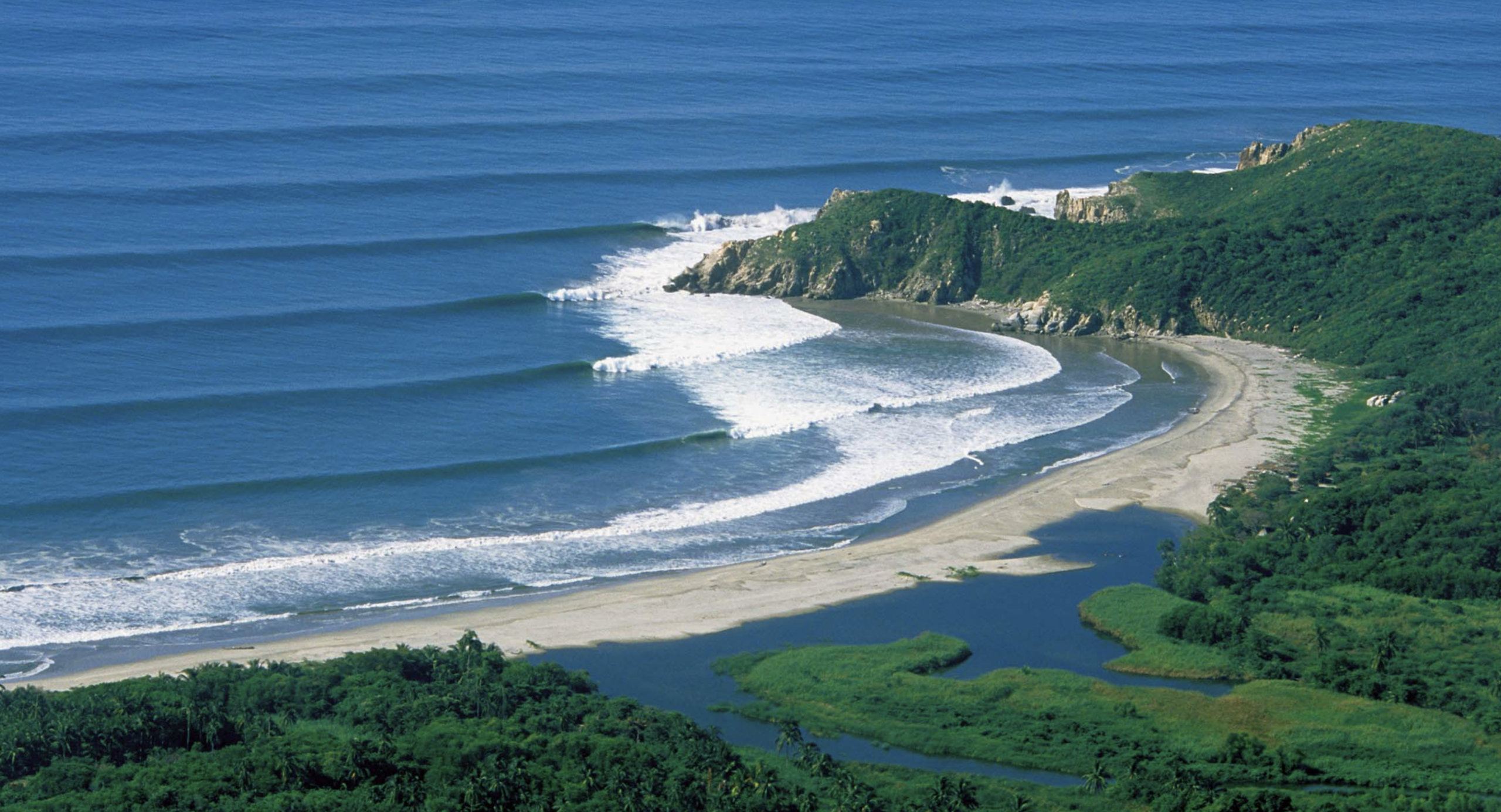
Secret spots, “The Search,” and surf imperialism in Mainland Mexico. From TSJ 15.6.
The Golden Rule: Never Drive at Night
This is the most critical piece of advice for any surf trip south of the border. Between free-roaming livestock, massive potholes, and the increased risk of encountering “unofficial” checkpoints, the Mexican highways change character entirely once the sun goes down.
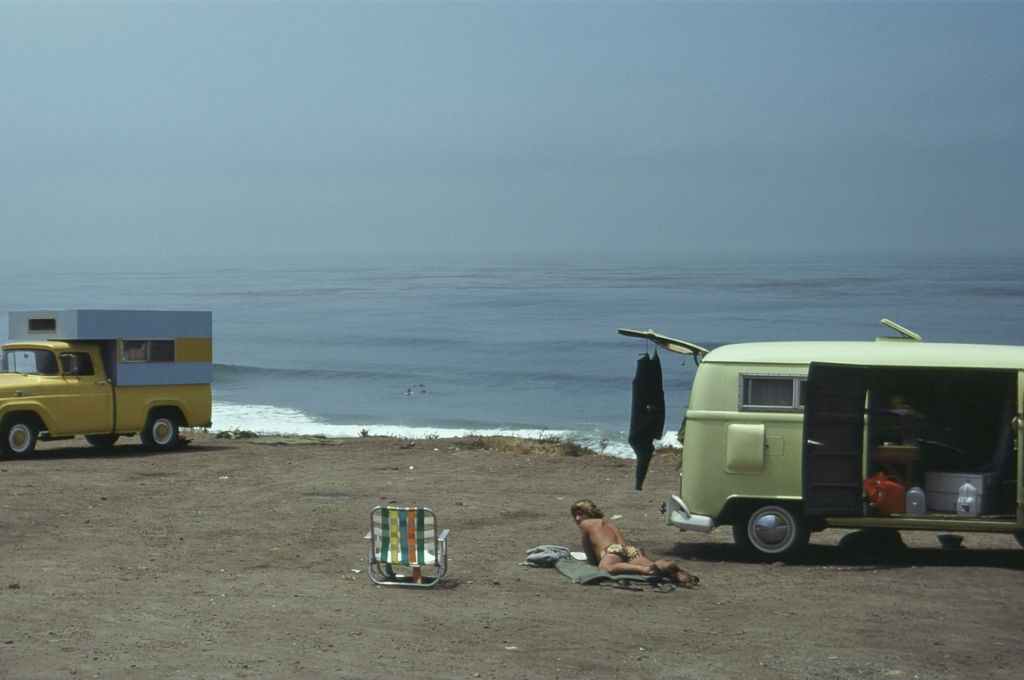
“If you aren’t at your campsite or hotel by dusk, you’ve already made your first mistake,” says veteran surf travelers. Plan your legs of the journey to ensure you are off the road well before dark.
Logistics and Documentation
Safety starts before you cross the border. Beyond your passport, ensure you have:
- Mexican Auto Insurance: Your US or international policy is invalid here. You must have a Mexican-specific policy.
- FMM (Forma Migratoria Múltiple): Don’t skip the immigration office at the border. Having your tourist permit is essential for any legal interaction or checkpoint.
- Offline Maps: Cell service is notoriously spotty in the desert. Download Google Maps for the entire region of Baja or Oaxaca before you leave.
Staying Under the Radar
The key to a successful trip is “Low Profile” travel. While it’s tempting to bring the flashiest gear, looking like a high-value target is a risk.
- Hide the Stash: Keep your boards inside the van if possible. If they are on the roof, use locking straps.
- Cash is King, but be Discreet: Carry small denominations of Pesos for tolls and tacos, but keep your larger stash hidden in a “dummy” wallet or a vehicle safe.
- Stick to the Toll Roads (Cuotas): They are faster, better maintained, and significantly safer than the free roads (Libres).
Respect the Locals
The safest way to travel is to be a welcome guest. Support the local economy—eat at the small taquerias, buy supplies in the villages, and always ask permission before camping on what might be private ejido (communal) land.
Final Thoughts: Trust Your Gut
No wave is worth your life. If a situation feels “off,” or a road looks too sketchy, turn around. Mexico is a land of incredible hospitality and beauty, but it rewards the prepared and punishes the reckless.