When War Met Waves: What Apocalypse Now Means to Surfers in Vietnam
For many surfers around the world, Apocalypse Now is a legendary war film.
For surfers in Vietnam, it feels different.
It’s not just cinema.
It’s our coastline.
It’s our history.
And strangely, it’s also about waves.
“Charlie Don’t Surf” — But Vietnam Does
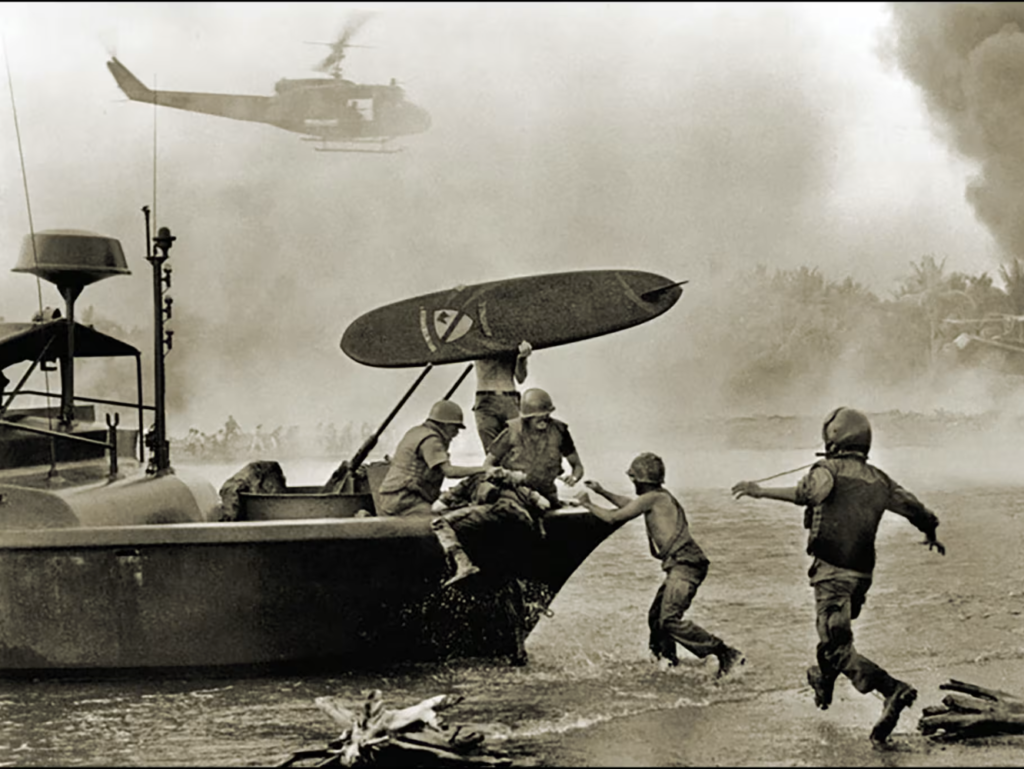
In the film, Robert Duvall plays Lieutenant Colonel Kilgore — a commander obsessed with surfing. After an air assault on a Vietnamese beach, he demands his board so he can paddle out.
The line “Charlie don’t surf” became iconic.
But here’s the quiet irony:
Vietnam does surf.
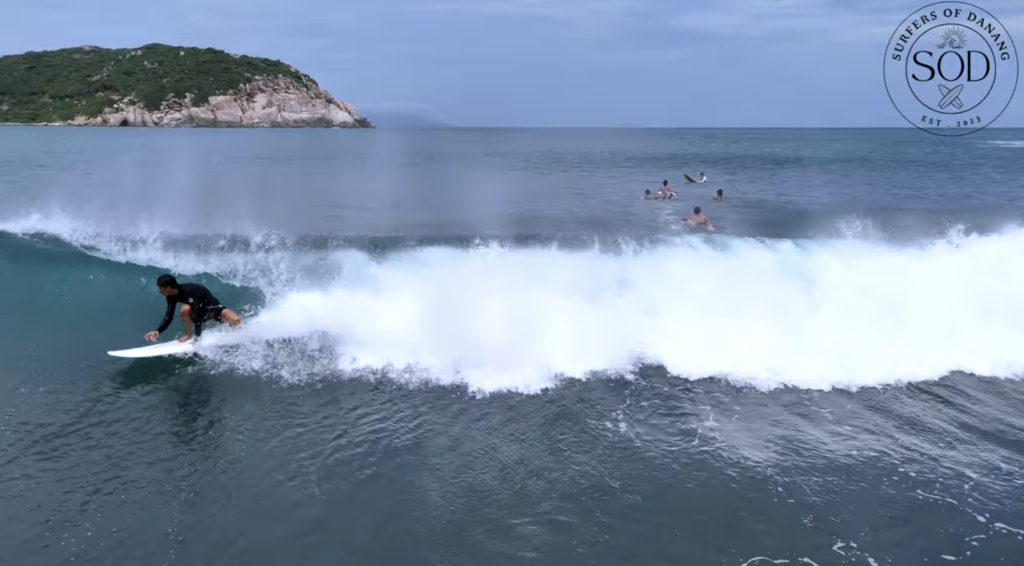
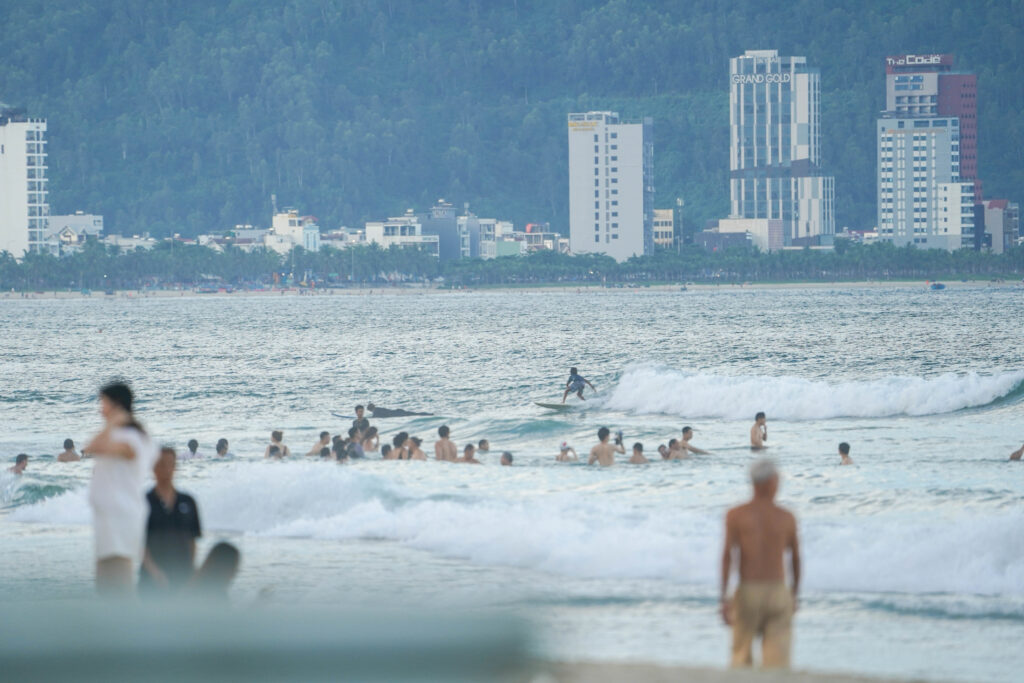
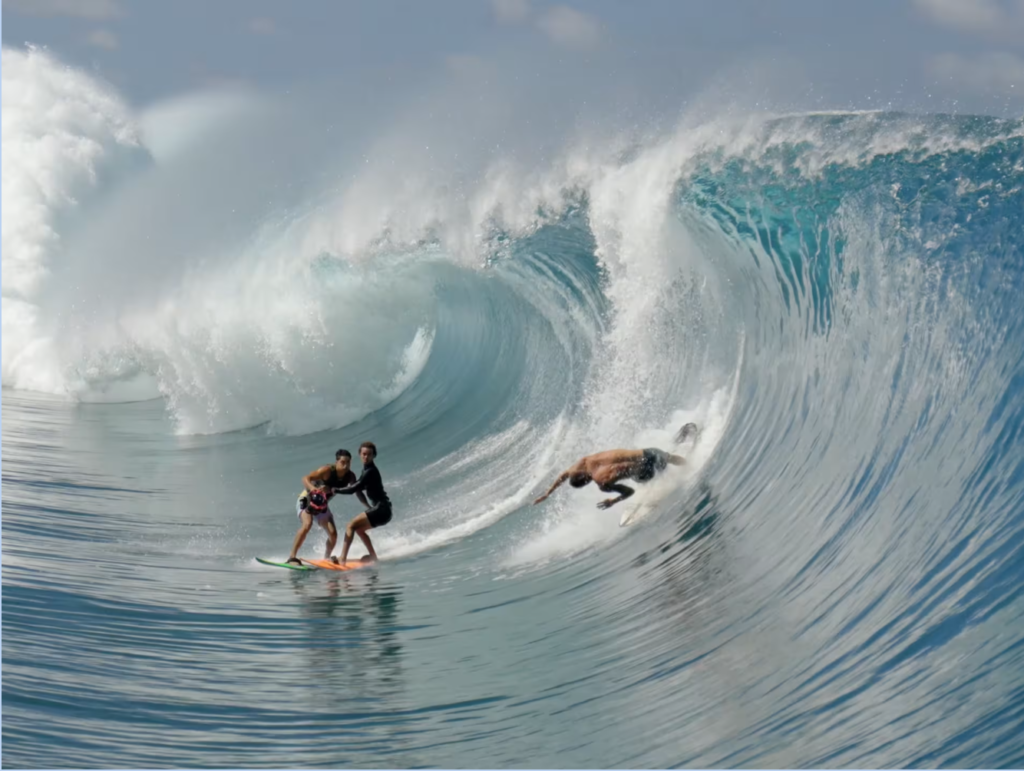
From Đà Nẵng to Phan Rang, from Vũng Tàu to Bình Thuận, waves roll in every season. Local groms paddle out before school. Fishermen watch the swell change with the wind. Foreign travelers come and stay longer than planned.
The coastline that once symbolized conflict now represents something else — freedom, travel, and connection to the ocean.

The Board That Became a Symbol
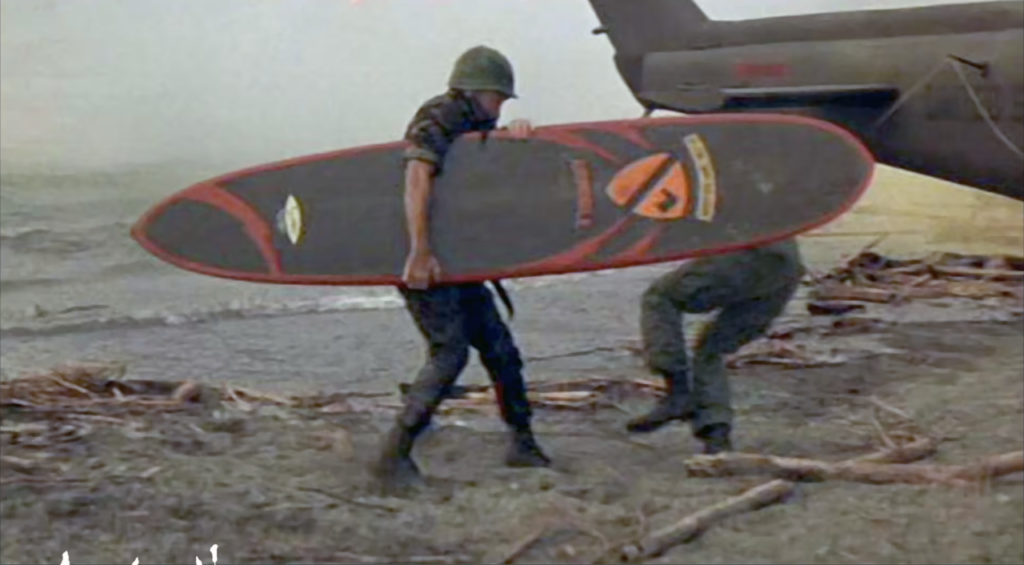
The board used in the film was shaped by Reynolds Yater — a master craftsman from California. His “Yater Spoon” design helped shape modern surfboard evolution in the late 1960s.
To global audiences, it was just a prop in a dramatic scene.
To surfers, it was something else:
A reminder that even in chaos, surfers chase waves.
The Spoon became mythologized. Not because of performance numbers. Not because of marketing.
But because of symbolism.
The Real Story Behind the Fiction
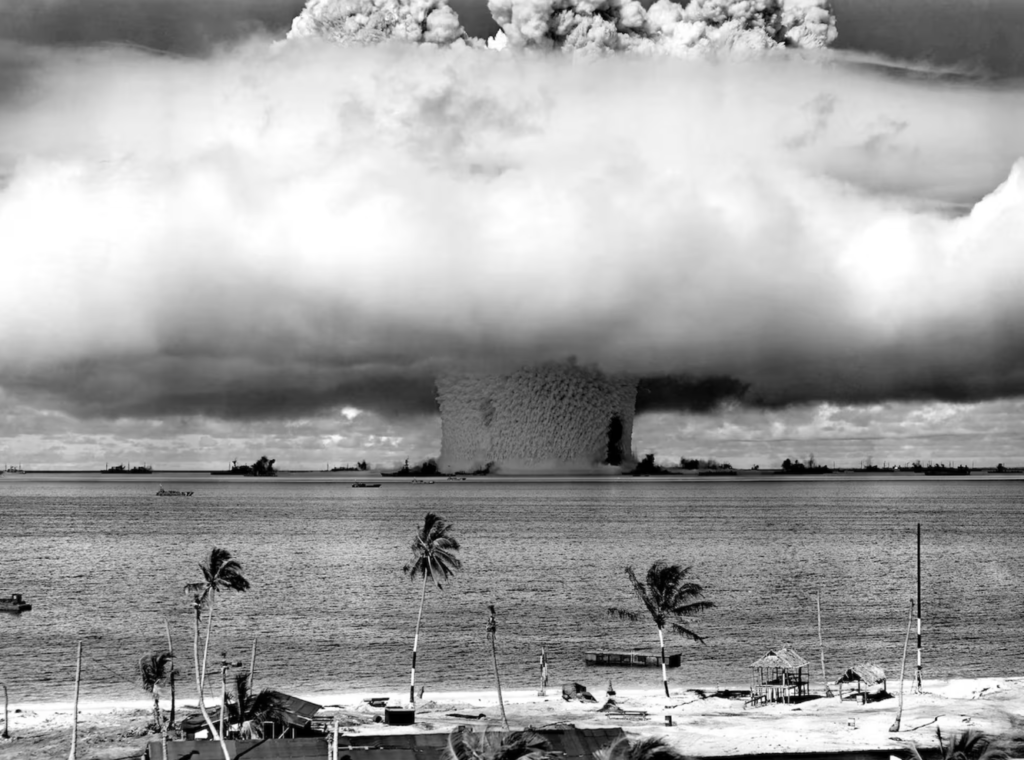
While the film was shot in the Philippines, its emotional setting was the coastline of Vietnam.
And here’s something often overlooked:
American soldiers actually surfed during the war. Boards were shipped over. Makeshift contests happened during downtime. Waves broke quietly while history unfolded on land.
Today, those same waters are peaceful.
Local Vietnamese surfers now paddle out where helicopters once flew overhead in cinema.
That contrast hits differently when you live here.
A Different Perspective from the Lineup
For surfers in Vietnam, this story isn’t about glorifying war.
It’s about transformation.
The ocean stayed the same.
The swell kept moving.
The tide didn’t care about politics.
Surfing here today is not rebellion.
It’s rebuilding.
It’s cultural exchange.
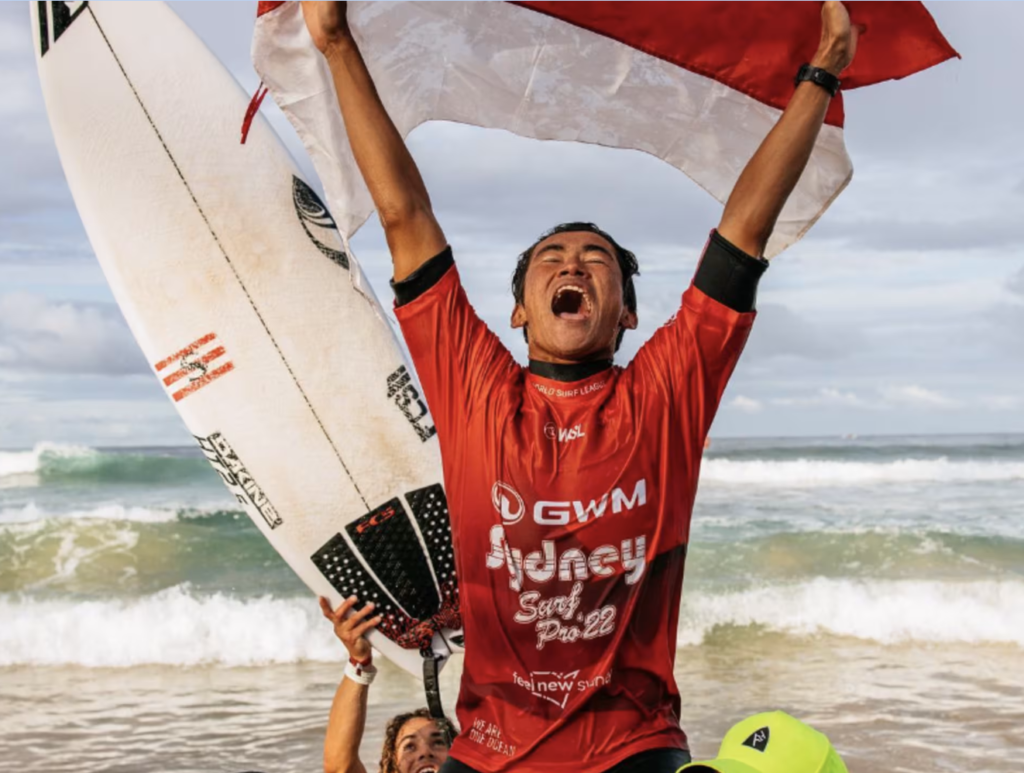
It’s young Vietnamese surfers carving their own identity.
And maybe that’s the real evolution since Apocalypse Now.
From Cinema to Coastline
The film turned a strange moment into pop culture history. The Yater Spoon became legendary. Kilgore became unforgettable.
But the waves here kept breaking long after the credits rolled.
Now, instead of helicopters, you hear:
• Motorbikes along the beach road
• Friends calling each other into sets
• The sound of boards slicing through morning glass
Vietnam doesn’t just “surf.”
Vietnam is building its own surf story.
And this time, it’s real.